

Assess and improve your property's energy efficiency. Save costs and reduce carbon footprint. Consider EPC for compliance and sustainability.
Ensure safety and compliance with electrical appliances. Peace of mind and safety assurance. PAT is a necessity for all properties, both residential and commercial
EPC & PAT (Cheshire) can produce your digital floor plans which are suitable for marketing and layout purposes.
Our floor plans are an integral part of any sales brochure produced to market or let a property. Our floor plans allow both agency staff and potential purchasers or tenants to visualise the layout of the property. Room dimensions are measured and drawn precisely with or without fixtures and fittings. Drawings can be coloured in various ways with your own branding if needed. We can offer 2D or 3D plans and present them in pdf format.
A good floorplan is often the third most important factor when selling a renting a property, after the price and photos.
EPC & PAT (Cheshire) offer a swift professional service at competitive prices.

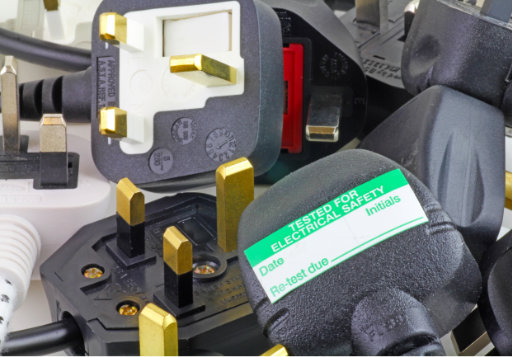
Portable Appliance Testing (PAT) is the process of examining electrical appliances and equipment to ensure they are safe for use. It involves both visual inspections and electrical tests to identify potential hazards such as frayed cables, damaged plugs, poor insulation, or faulty earth connections. PAT testing applies to a wide range of devices, from office equipment like computers and printers to kitchen appliances and industrial tools
The main goals of PAT testing are:
Protecting users and bystanders from electric shocks, burns, or fires.
Compliance with legal obligations, demonstrating due diligence under regulations like the Electricity at Work Regulations 1989 and the Health and Safety at Work Act 1974.
Maintaining equipment integrity, detecting minor faults early to prevent costly repairs or replacements.
Risk management, reducing the likelihood of accidents and associated liabilities.
PAT testing typically includes:


EPC & PAT (Cheshire) are competent with appropriate training to perform your PAT testing.
The frequency depends on:
Energy Performance Certificates (EPCs) are needed whenever a property is built, sold or rented. The person selling or letting a property must produce a valid EPC as soon as possible before a property is marketed. Should you need an EPC on your property, you must appoint an accredited energy assessor to carry out the assessment and produce the certificate.
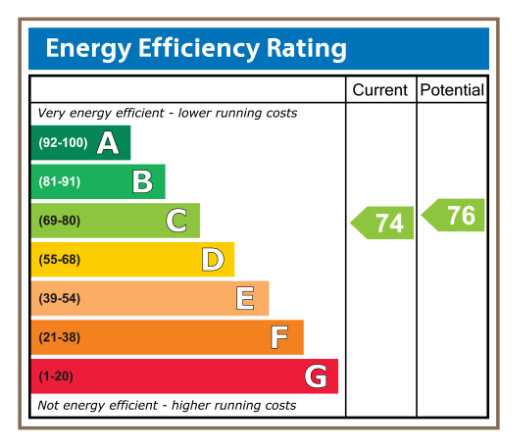
An EPC is a legally valid document that contains information about a property’s energy use and typical energy costs with recommendations about how to reduce energy use and save money. An EPC gives a property an energy efficiency rating from A (most efficient) to G (least efficient) and is valid for 10 years.

EPC & PAT (Cheshire) will visit your property to carryout out a physical assessment. We will collect data including rooms dimensions, insulation, heating systems and glazing. This will be documented as both written and photographic evidence. The assessment is non-invasive and will not cause any damage to your property and usually takes between 75-90 minutes on a typical property.
You can look at an EPC for your own property or for other properties free of charge, enabling you to compare your home’s energy performance with that of similar homes. You can search for a certificate by postcode, street name and town, or certificate number.
Legionnaires' Disease is a pneumonia-like illness caused by the Legionella bacteria. It can be fatal, and symptoms may include:
The infection is caused by breathing in small droplets of water contaminated by the bacteria. The disease cannot be passed from one person to another.
Legionella bacteria are found in the natural environment and may contaminate and grow in water systems, including domestic hot and cold water systems. They survive low temperatures and thrive at temperatures between 20 - 45°C if the conditions are right. They are killed by high temperatures at 60°C or above.


Yes, landlords have a legal obligation to assess and control the risk of exposure to Legionella bacteria.
There is no legal requirement to have a formal certificate in the same way you’re expected to have an EICR, EPC, or gas safety record, but you must ensure your property’s water is safe to drink and use as part of your general legal duty of care to protect the health and safety of your tenants.
To do this, landlords will usually carry out a Legionella risk assessment.
It’s worth noting that most rented premises will be low risk, but it is still important that risk assessments are carried out and control measures introduced.
The assessor will need to take a digital temperature reading of every hot and cold tap in the property and of outlet pipes from water tanks. They will also visually inspect every tap and showerhead, report on redundant pipework, and test any exterior taps and hoses for limescale.
The consequences of failing to comply with your Legionella risk assessment responsibilities can be serious. Landlords are legally required to manage properties so as not to expose tenants, residents, and visitors to risk.
Heavy fines or even imprisonment can be imposed, especially if someone were to die from Legionnaires' Disease.
Landlords can be prosecuted even if there is an exposure to risk without anyone actually becoming ill, so it’s important to keep a record of all assessments that have been carried out and make sure you carry out new assessments periodically.


The HSE recommends reviewing Legionella risk assessments at least every two years, even if your property is low risk.
However, you should review the assessment sooner if:
Although formal Legionella risk assessments are not mandatory